
Lantana in the gully, morning glory on the edge, trad on the forest floor, paspalum creeping in and green panic all around!
We wage an unrelenting war, but every time we turn around, the enemy grows and grows. The weeds spread, new weeds appear and no matter how many big whacks we give the unwanted invaders, they seem to be totally undaunted. Some days we want to huddle in our abodes, not daring to peek out of the window for fear of impending home invasion. They were right about the triffids!!! Nothing to do but Netflix binge!
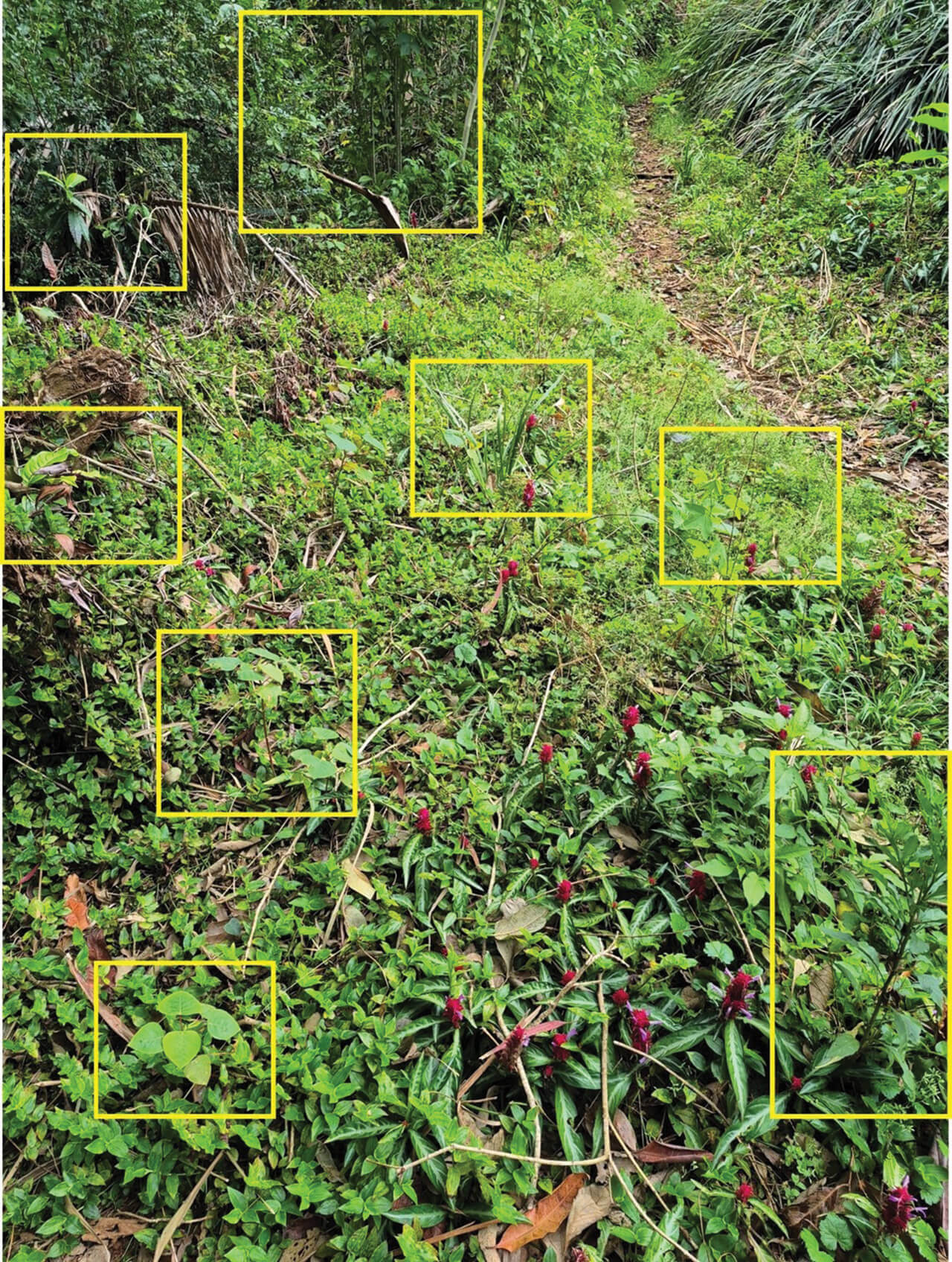
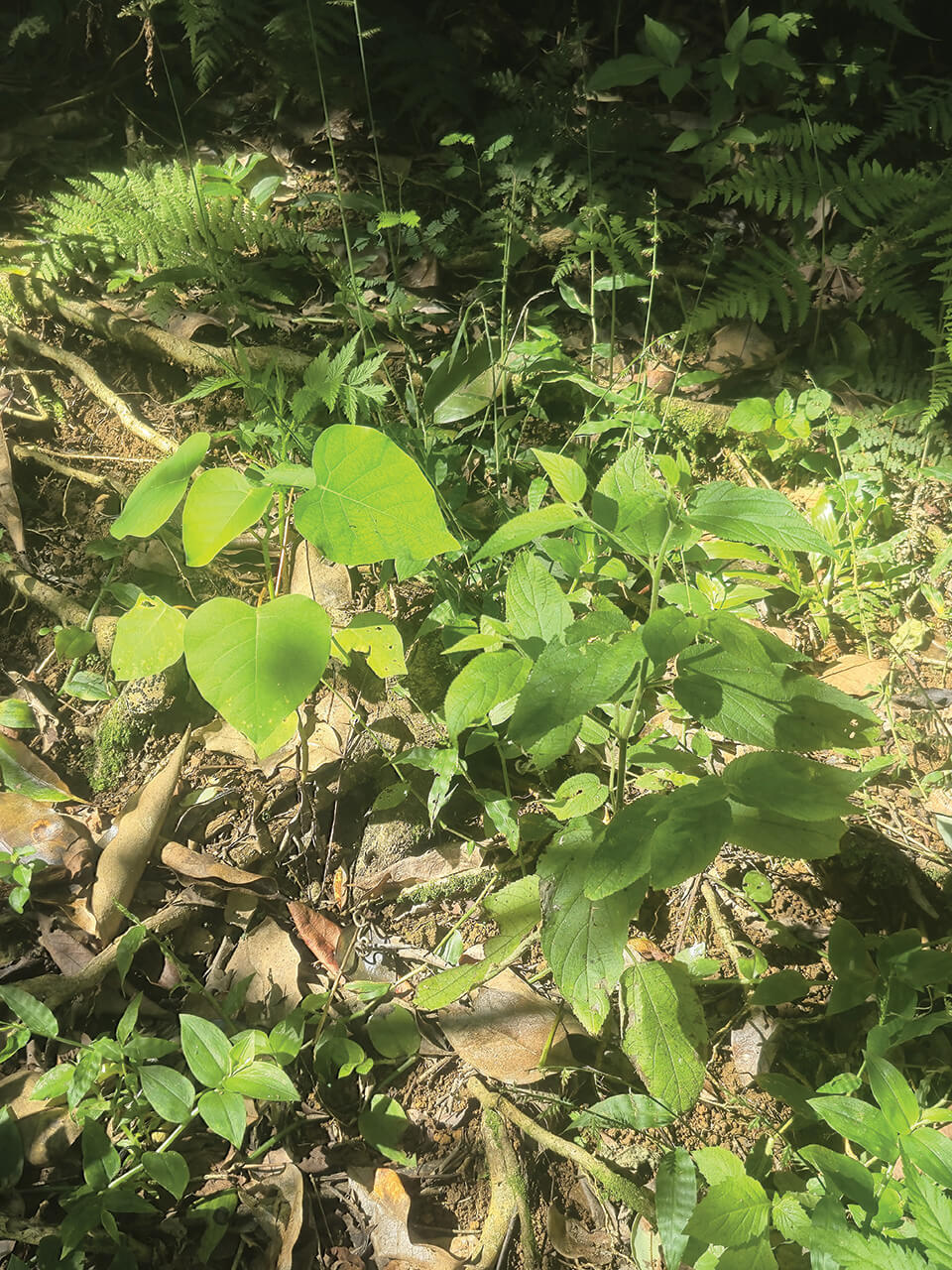
But (and this story was always leading up to a ‘but’) what if I told you that despite the lantana, morning glory, trad and myriad other weeds, you had a diverse rainforest waiting to emerge in plain sight? What if I told you that, despite the panic and paspalum, native grasses were gaining hold under the emerging eucalypt canopy? What if I told you that within your bed of trad, native macaranga and bleeding heart seedlings were stretching their leaves to the light?
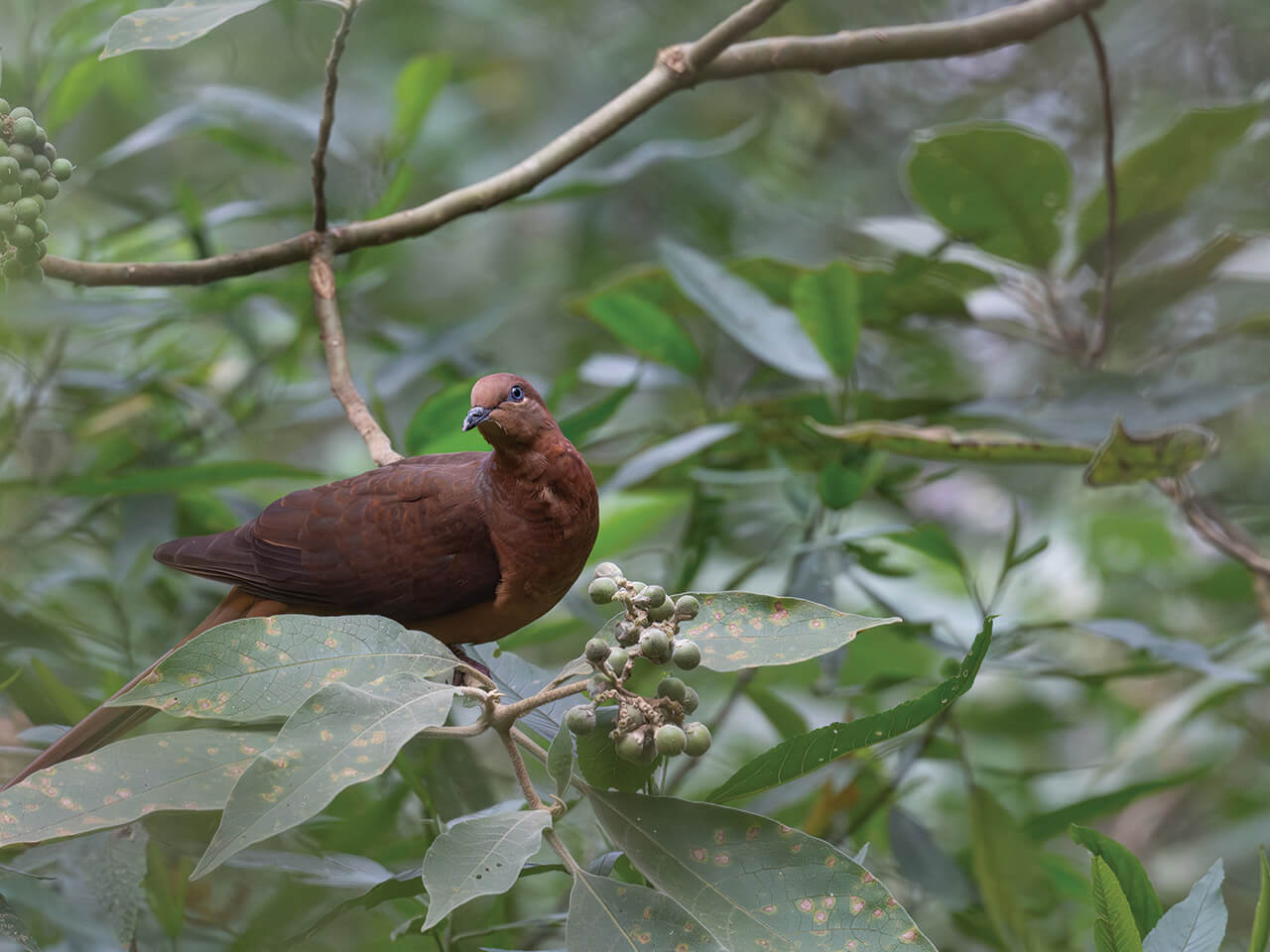
You would have to believe me. Because it’s true! How do I know? Because Australian plants and animals, isolated for millions upon millions of years have adapted to the unique soil, geology and climatic shifts characteristic of this region. Sure, the devastation that weeds have wreaked on our native ecosystems is real and profound, but lost in the doom and gloom, we forget the resilience that millions of years of evolution has forged. In amongst the exotic grasses of your eucalypt forest, you are likely not only to find native plant assemblages holding on, but a soil seed bank of future generations waiting for their turn to see the light. And as you look closer into the privet and camphor thickets on your block, you begin to spot the natives whose fruit native birds have not lost the taste for.
Rather than succumbing to the rage that weeds inspire, we can employ a more measured approach by focusing our energy finding native grasses, looking for indications of a good seedbank and identifying the native seedlings and saplings that can form the backbone of a future forest. These elements of native resilience are working, competing, waiting 24/7 for an opportunity to take hold – our job is not to blindly kill their enemy, but to strategically aid their already herculean efforts. They need our direct and immediate help that is not provided when we make weeds alone our focus.
Sounds good, right? But how do we do that?
Well, in no way, shape or form do I lay claim to full knowledge of the restoration sphere, but I’ve had the amazing privilege of working as a bush regenerator for 15 years and a few general themes have emerged consistently. First, ‘bush regenerator’ is a real thing! In keeping my CV up-to-date, I’ve tried to euphemise the title in various ways. Field ecologist? Restoration expert? Bushland Restoration Officer (just call me ‘BRO’)? They don’t fit, and ultimately the best way to get around the issue is to find dignity in the title ‘bush regenerator’ and own the epitaph proudly. From contractors to landholders, we all are bush regenerators. Below I’ve written what I call ‘Five Principles of Happy Bush Regenerating’ that I feel underpin what it is to be a bush regenerator.
Of course, these principles can be parsed out in different ways, expanded upon and refined. Entire books have been written about the subject. But I hope that the overall message is clear. Rather than fight the unwinnable battle of eliminating all weeds, our mission as bush regenerators is to delve into unlocking the seemingly infinite power of resilience. In the process we open ourselves to a deeper understanding of the bush that is both practical and personal. So the next time you look at your bushland block, switch focus and see the native regeneration as the backbone of a future forest that stretches beyond your imagination. Don’t let the weeds hijack your positive experience – let yourself be inspired by your natives and you will forever enjoy your time in the bush!
Photo at top: Picking your weed battles is especially important if you live somewhere where the birds will constantly be bringing in weed seeds from nearby areas. For example, Silvereyes love to eat lantana and weedy asparagus seeds (as shown above). They can transport these seeds for kilometres dropping them on your freshly weeded bushland areas. Photos by Deborah Metters.
Chad Oliver
Land for Wildlife Officer
Sunshine Coast Council