Australia’s dingo has long been shaped by myth rather than science, and in Dingo, Roland Breckwoldt untangles the historical and ecological consequences of that mismatch. For landholders interested in conservation, biodiversity and working with natural systems rather than against them, the book offers valuable insight into one of Australia’s most misunderstood native animals.
Breckwoldt traces how dingoes became vilified following European settlement, blamed for livestock losses and targeted through bounties, poisoning and extensive fencing. These responses entrenched the dingo’s reputation as a pest while obscuring its role as Australia’s native apex land predator. The book also addresses the persistent claim that dingoes are simply feral domestic dogs, presenting scientific evidence that supports their distinct identity and important ecological function.
The cultural significance of dingoes to First Nations peoples is given thoughtful attention. Breckwoldt acknowledges their long standing roles as companions, hunting partners and spiritually important animals. He highlights how colonial land use practices disrupted both ecological balance and Indigenous relationships with the dingo, which are important for those seeking to care for country in more informed and respectful ways.
A particular strength of Dingo is its inclusion of first hand accounts from landholders who have chosen to coexist with dingoes on their properties. These examples demonstrate tangible benefits, including reduced numbers of feral species such as pigs and goats and improved regulation of kangaroo populations. In some landscapes, the presence of dingoes has eased macropod grazing pressure and supported healthier vegetation and wildlife populations. This book offers compelling evidence that coexistence with dingoes can deliver both ecological, economic and practical outcomes.
Drawing on his own experience as a former ringer, Breckwoldt writes with an understanding of the realities faced by people living and working on the land. He is clear-eyed about challenges, but equally clear about the opportunities that emerge when dingoes are recognised as part of a functioning ecosystem rather than a problem to be removed.
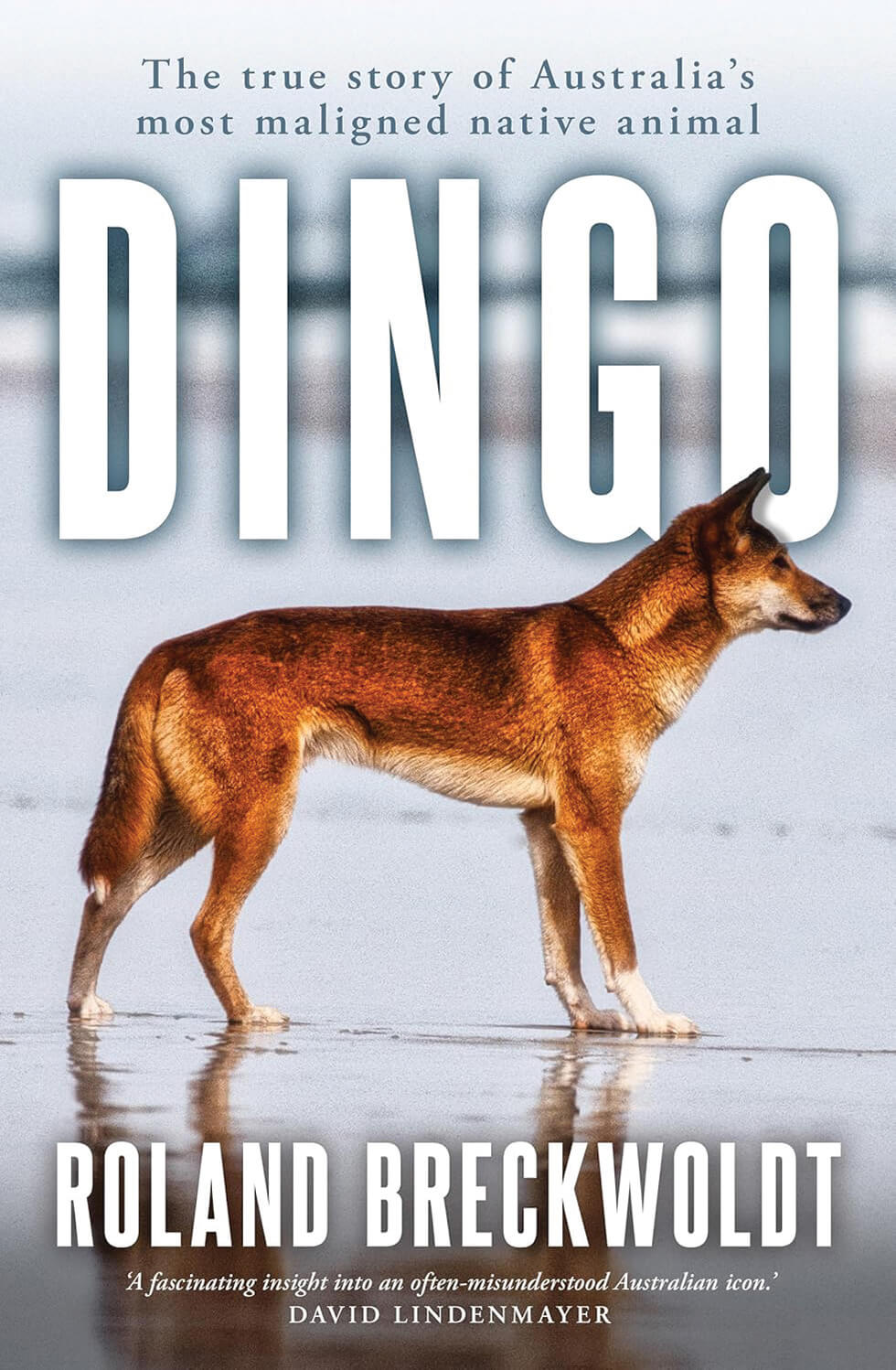
2025 | Paperback
352 pages | $35
Available online and in bookstores.
Despite increasing scientific recognition of the dingo’s ecological role, Breckwoldt warns that populations are now low or absent in many regions. As he notes, Dingo is as much a story about human attitudes and choices as it is about wildlife. Long overdue, the book encourages landholders to consider more science based and observant approaches to managing dingoes, and, where appropriate, allowing dingoes to reclaim their role in the landscape as natural regulators. This book contributes constructively to the conservation story of Australia and I would highly recommend it for Land for Wildlife members pursuing sustainable land stewardship.
Review by Stephanie Keys
Land for Wildlife Officer
Sunshine Coast Council