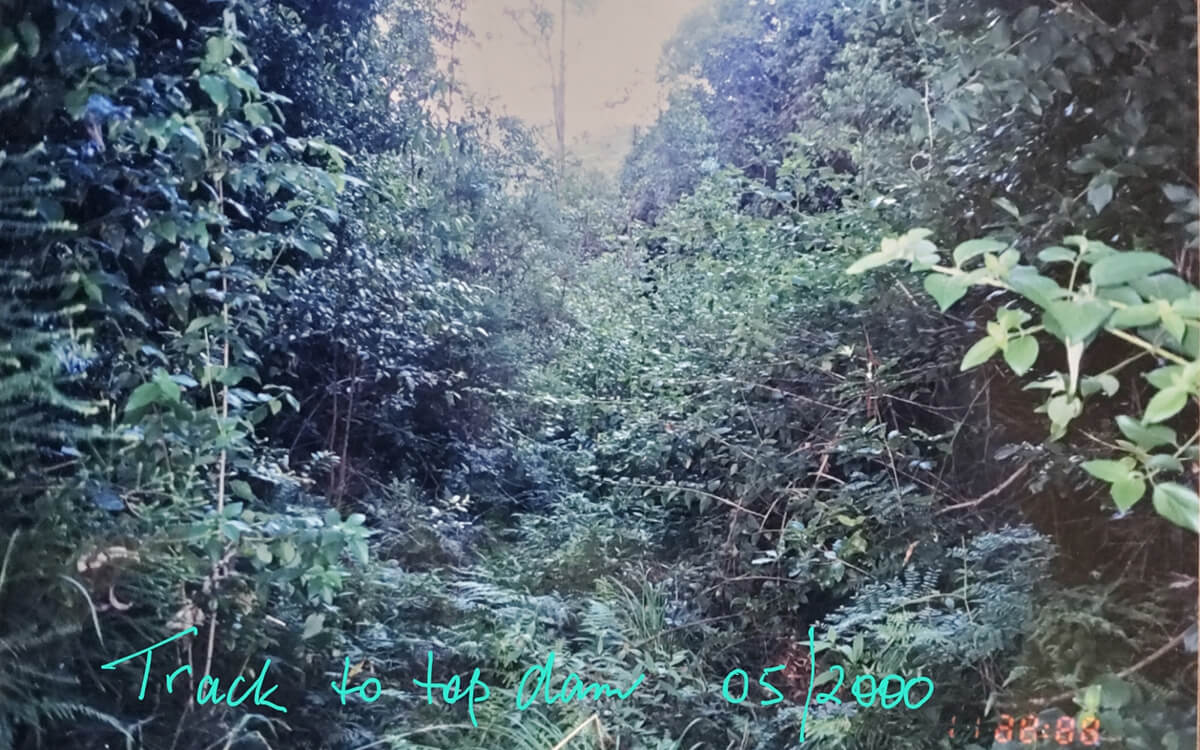
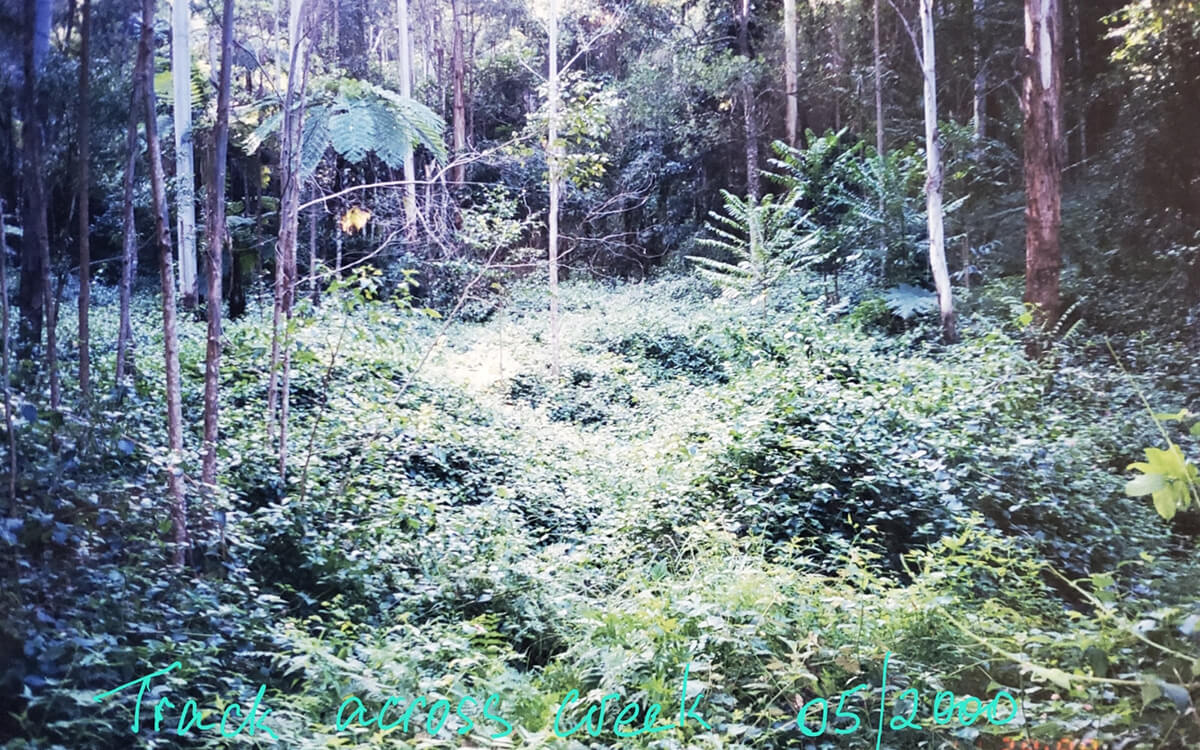
When John and his partner Sandra first set foot on their Bellthorpe property in 2001, they were met not with lush forest, but an overwhelming sea of lantana. Once a dairy farm, the land had been extensively cleared in the mid-20th century and later overtaken by invasive species.
“You couldn’t even see the gully for the lantana. There were two car wrecks down there completely hidden by weeds,” John recalls.
Originally purchased for its natural beauty, the couple didn’t plan to launch a major bush regeneration project. But once on the ground, the extent of environmental degradation spurred them to action. Their mission quickly became clear: remove the lantana and let nature heal.
John’s background in rural science and decades working in agriculture and ecological research helped him understand the landscape not only from a production standpoint, but through an ecosystem lens. That knowledge, combined with an emerging passion for conservation, became the foundation of what would become a long-term rehabilitation effort.
Before 2000
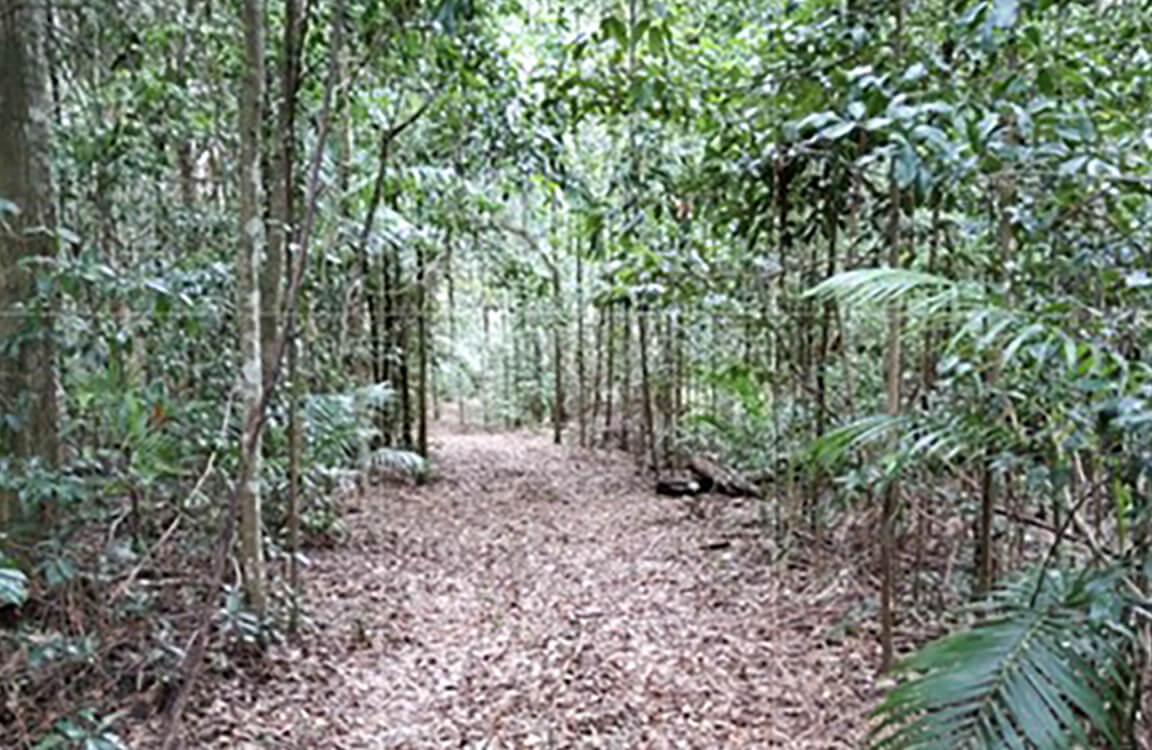
Before 2023
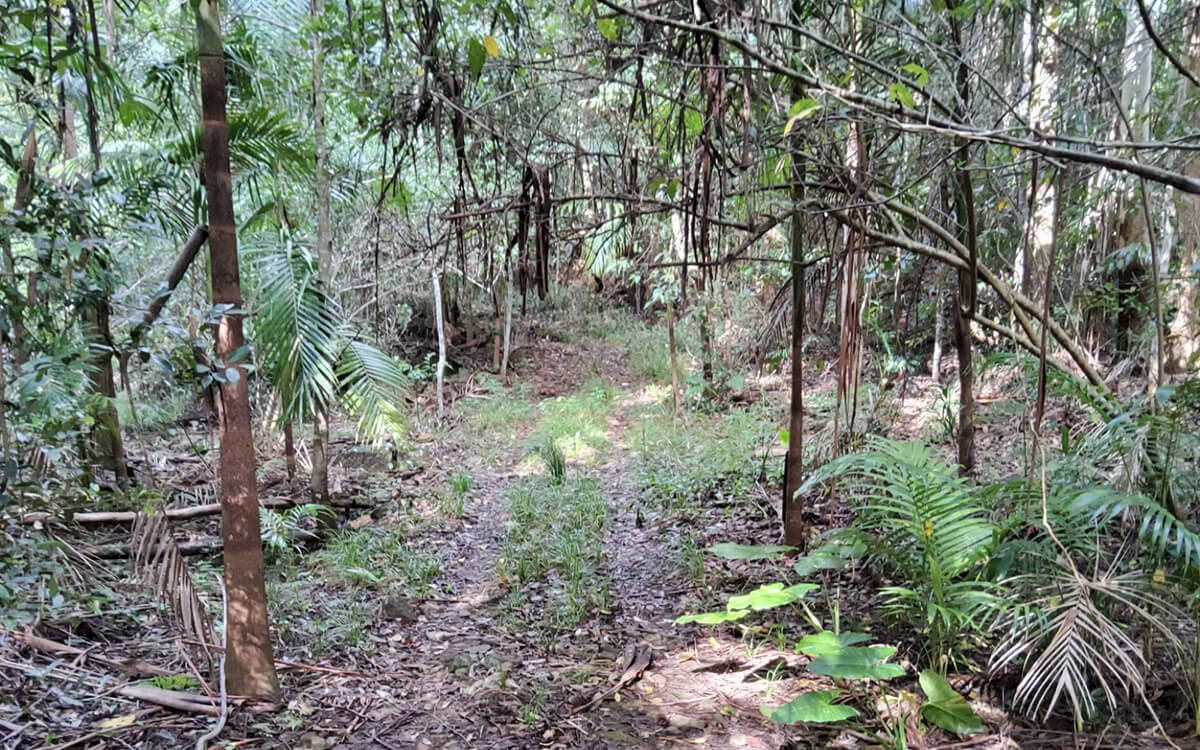
Armed with a brushcutter and some ecological insight they began what would become a two-decade-long transformation. Their first efforts involved manual removal of lantana and careful, minimal use of herbicide on stumps to prevent regrowth. “I was really ignorant to start with,” John admits, but the land had lessons to teach.
What they discovered was remarkable. Initially, John attempted to plant native species, but he soon realised the forest was eager to return on its own, if given the chance. “I started planting things, and then I found it was a waste,” he laughs. Birds brought in enough seed, vines returned, and rainforest palms reappeared. These were signs that the forest’s natural cycles were restoring themselves.
What seemed like chaos to some was, in fact, nature’s own blueprint. Vines, often misunderstood as damaging, played an essential role. They brought down dead trees and made way for new growth. Understorey plants waited patiently for a window of sunlight to begin their lifecycle. “It’s a natural self-recovery mechanism,” John explains.
As the bush came back to life, so did the wildlife. Bandicoots, echidnas and a thriving bird population, as documented in a lengthy species list compiled by local bird expert Eric Anderson, now call the area home. John even has hopes of seeing the elusive Coxen’s Fig-Parrot, should the fig trees keep thriving.
In 2009, John formalised his commitment by joining Land for Wildlife. Encouraged by local council staff and fellow landholders, the program offered more than advice, it connected him to a growing network of stewards across the region. “There was always someone from council willing to help,” he says. “And it meant I could keep learning.”
Later, the family entered into a conservation covenant with a Voluntary Conservation Agreement (VCA) – a step that gives permanent protection to the land’s ecological values. “It just seemed like a sensible thing to do,” he says. “You put all this work in, and you want it to last beyond you.”
Fire trails and boundaries once used for dozing and logging have now become corridors of biodiversity. Nest boxes for gliders and other hollow-dependent species have been installed. Some are high in the canopy to suit the Greater Glider’s lofty preferences. With camera monitoring underway, there’s cautious hope for new wildlife discoveries.
Despite the enormity of the task, John says he was never overwhelmed. “Fortunately, I was 10 or 15 years younger,” he laughs. The work was hard, but the results have been deeply rewarding. Now, with dense shade and a stable canopy, weeds struggle to gain a foothold. “Once palms come in, you know the forest is on its way back.”
Bellthorpe is now one of the most active regions in Queensland for Land for Wildlife and VCA properties. This is no accident. Community word-of-mouth, local council support and the visible success of properties like John’s have helped create a ripple effect.
Neighbours share tips, tools and time. One nearby landholder even granted John permission to remove lantana from their gully – creating a broader catchment-wide effort to suppress regrowth and reduce seed spread.
“Weeds have to work hard to come back here now,” John says.
But John doesn’t see his work as done. “The next step is encouraging more people to join in. We’ve got great momentum, but there’s always room to grow the network.”
Through programs like Land for Wildlife and Voluntary Conservation Agreements, landholders like John are helping stitch together fragmented habitats, creating safe passage for wildlife and restoring the natural rhythms of the landscape. They are not only conserving land, they are rebuilding resilience.
Today, the property is not just a haven for biodiversity – it’s also a model of what persistence, patience and community can achieve. John’s next goal? Encouraging more neighbours to join in. “The more connected the landscape, the better it is for everyone, wildlife included.”
What started as a simple desire to live in the bush has grown into a lasting legacy. John’s story is a living example of what it means to care for land, not just for personal use, but for its ecological value and the species that depend on it.
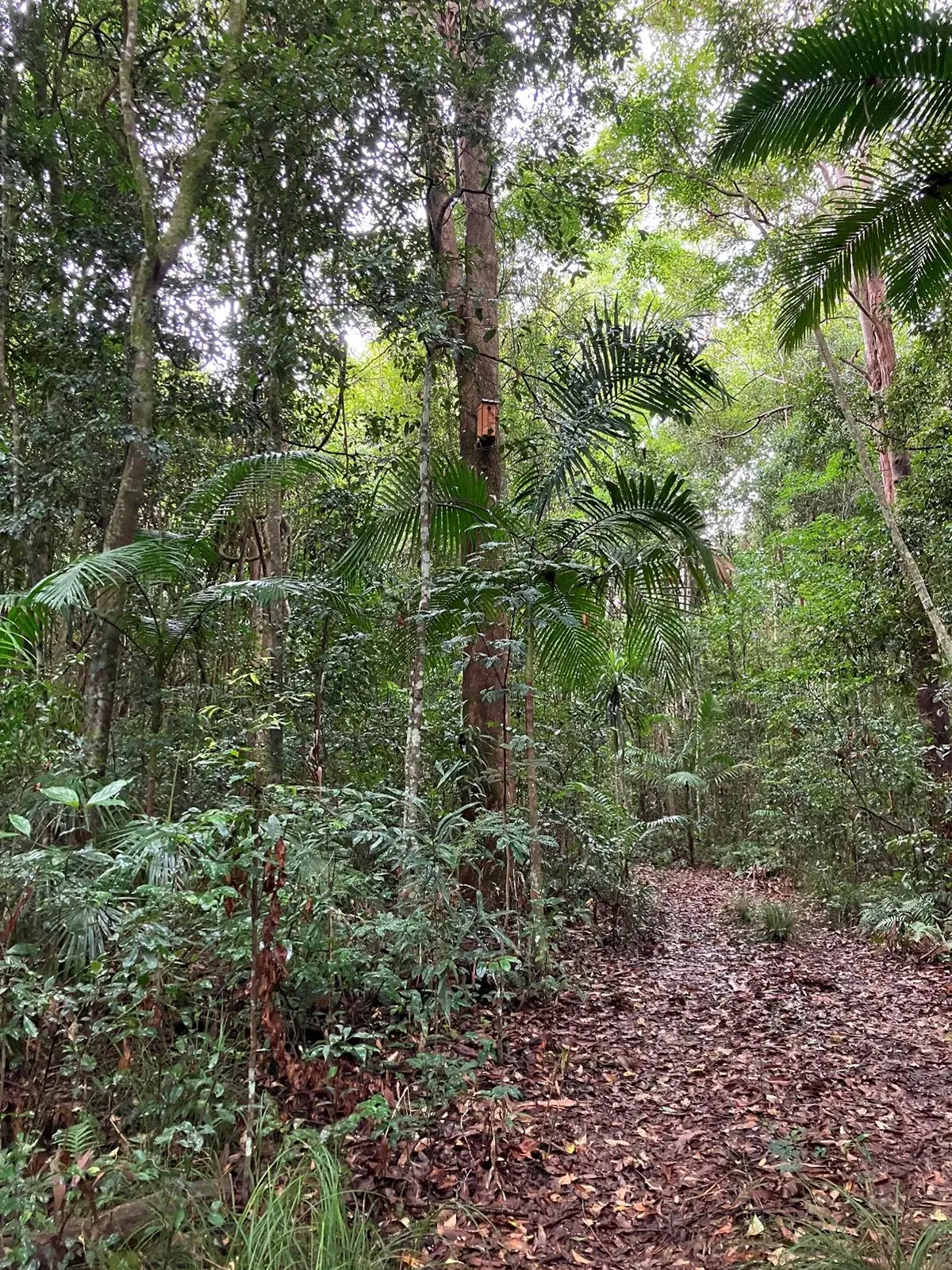
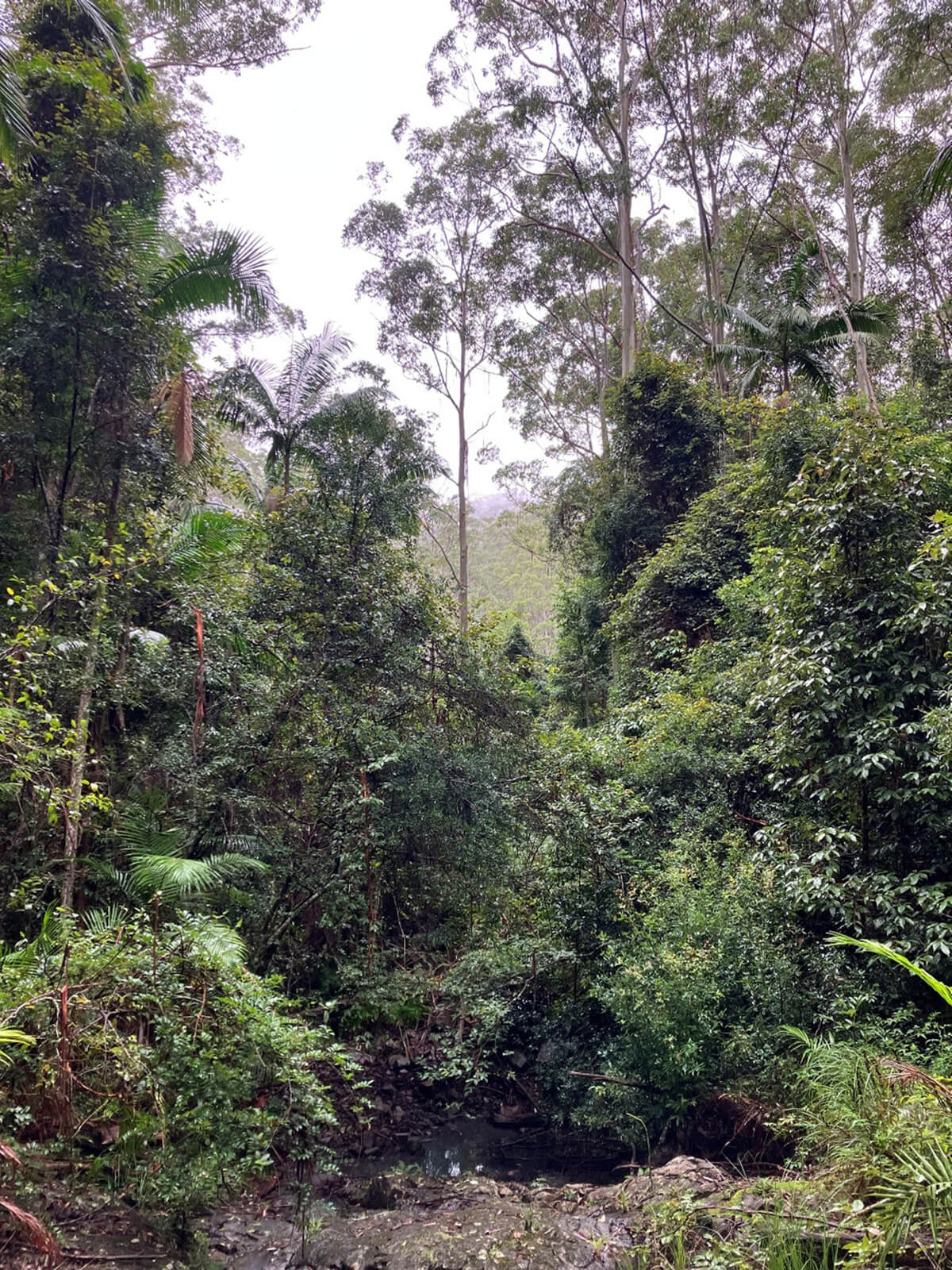
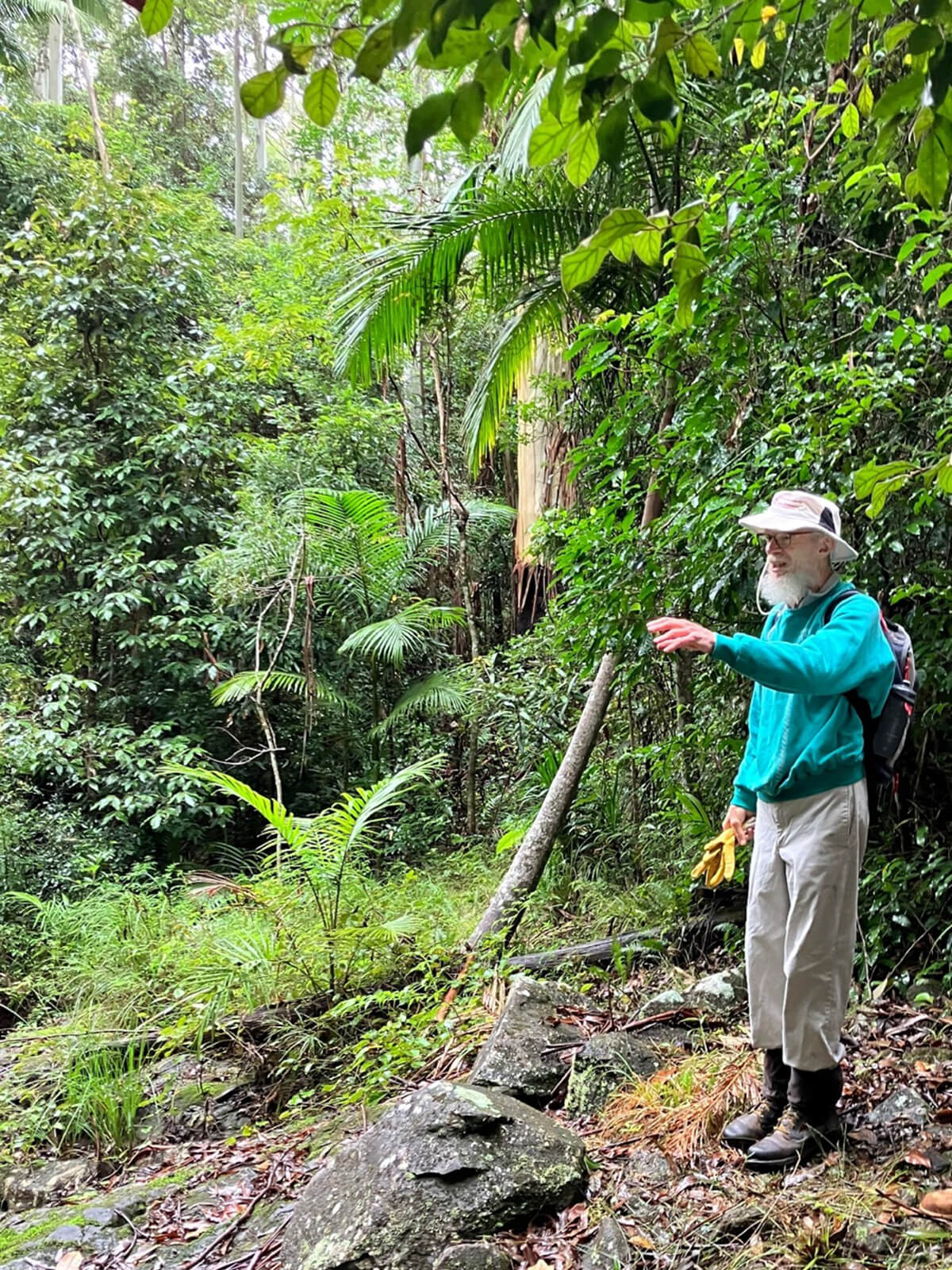
For 25 years, John has helped nature heal and has allowed a rainforest to establish.
“Once you’ve got a healthy canopy, it becomes hostile to lantana. That’s the key. Build an ecosystem that holds its own.” – John Childs
Article by John Childs
Land for Wildlife member
Bellthorpe, Moreton Bay, and
Debbie McQuattie
Land for Wildlife Officer
City of Moreton Bay