Nesting Birds: No Room at the Inn
When I bought our property in 1975 it was mainly a kikuyu paddock. Back then, Witta was a rural area of dairy and beef cattle properties. Initially we ran beef … Continue reading Nesting Birds: No Room at the Inn

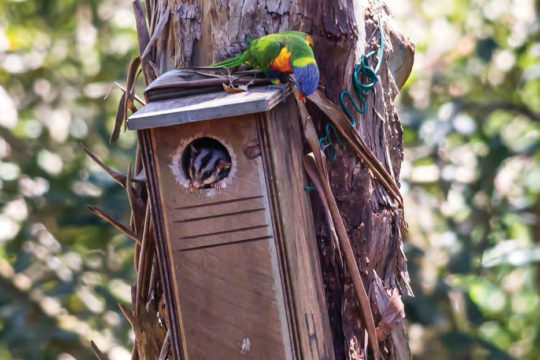
When I bought our property in 1975 it was mainly a kikuyu paddock. Back then, Witta was a rural area of dairy and beef cattle properties. Initially we ran beef … Continue reading Nesting Birds: No Room at the Inn
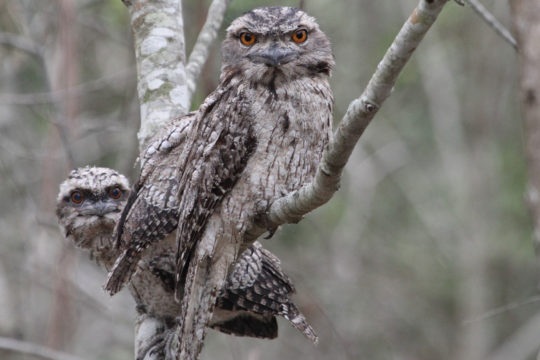
The nocturnal Tawny Frogmouth (Podargus strigoides) is a master of disguise. This disguise and camouflage is assembled through a combination of stretched bodies, flattened and coloured feathers, narrowing their eyelids … Continue reading Tawny Frogmouths: A Master of Disguise
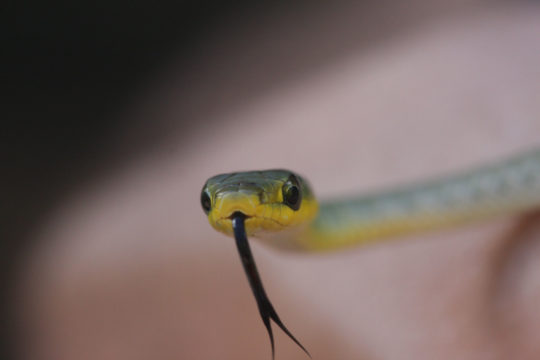
I received a call from Deborah Metters, Land for Wildlife Regional Coordinator, in early December 2014 about some likely reptile eggs that she accidentally uncovered whilst digging up large stones … Continue reading Hatching Wildlife: What to do if you dig up reptile eggs?
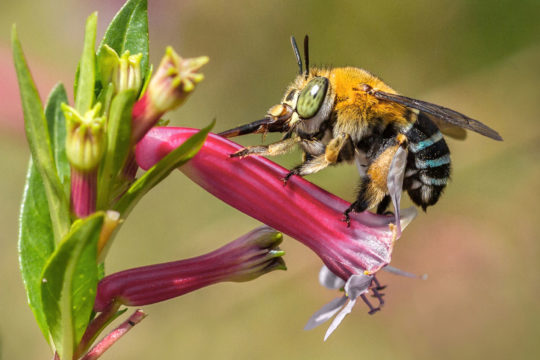
There are eleven species of described blue-banded bees in Australia ranging in size from 8-14 mm. They are also known as long-tongued bees or buzz pollinators. Blue-banded bees are solitary … Continue reading Blue-banded Bees
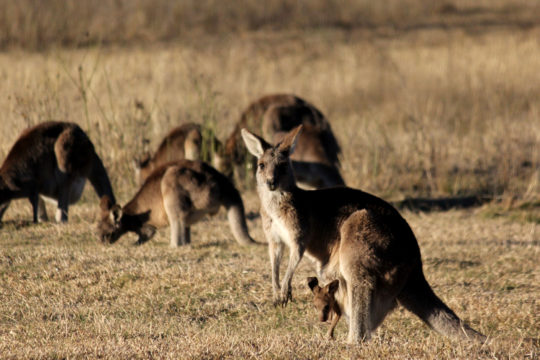
Studies from around the world have shown the importance of refuges, or refugia, for wildlife especially during difficult climatic periods such as ice ages. During ice ages, the climate cools … Continue reading Sunshine Coast: A Kangaroo Refuge
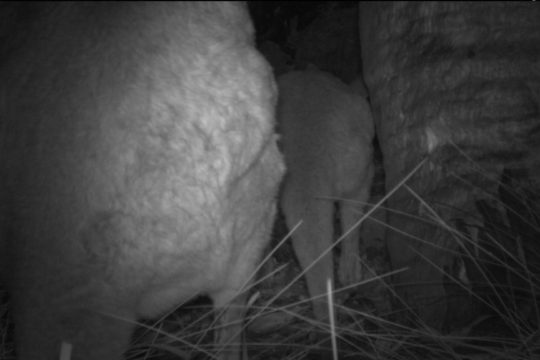
Upon flicking through and sorting hundreds of photos from fauna cameras recently deployed on a Land for Wildlife / Voluntary Conservation Agreement (VCA) property at Weyba Downs, I noticed a … Continue reading Pass the Salt Please: Kangaroos eating earth for mineral salts
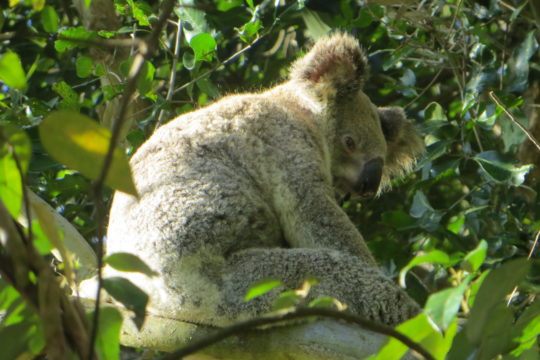
Back in 2009, 512 Koalas from across South East Queensland (SEQ) were tested to work out their genetic differences and to see whether habitat fragmentation is causing reduced genetic diversity. … Continue reading Meet Your Local Koala Cluster
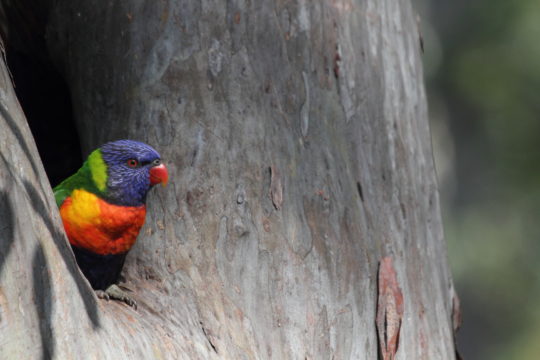
Tree hollows are priceless. They are high rise apartments and maternity wards all in one. They provide homes for hundreds of different types of wildlife including birds, gliders, microbats, possums, … Continue reading High Density Living: Birds using tree hollows
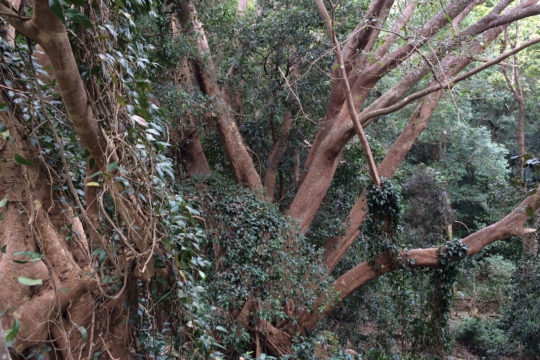
You could easily be excused for thinking these curtains of vines hanging o this large White Fig (Ficus virens) is the common Monkey Rope Vine (Parsonsia straminea). However what you’re … Continue reading Curtains of Richmond Birdwing Vines
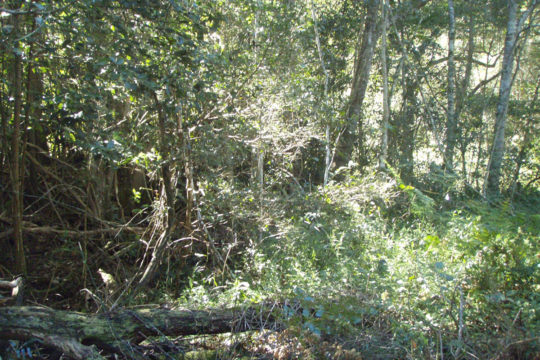
In the last year of my Bachelor degree at the University of Queensland in 2008, I undertook a project surveying the mammals and reptiles at bushland restoration sites in Moggill … Continue reading Mammals of Moggill Creek Catchment and Buff-footed Antechinus